


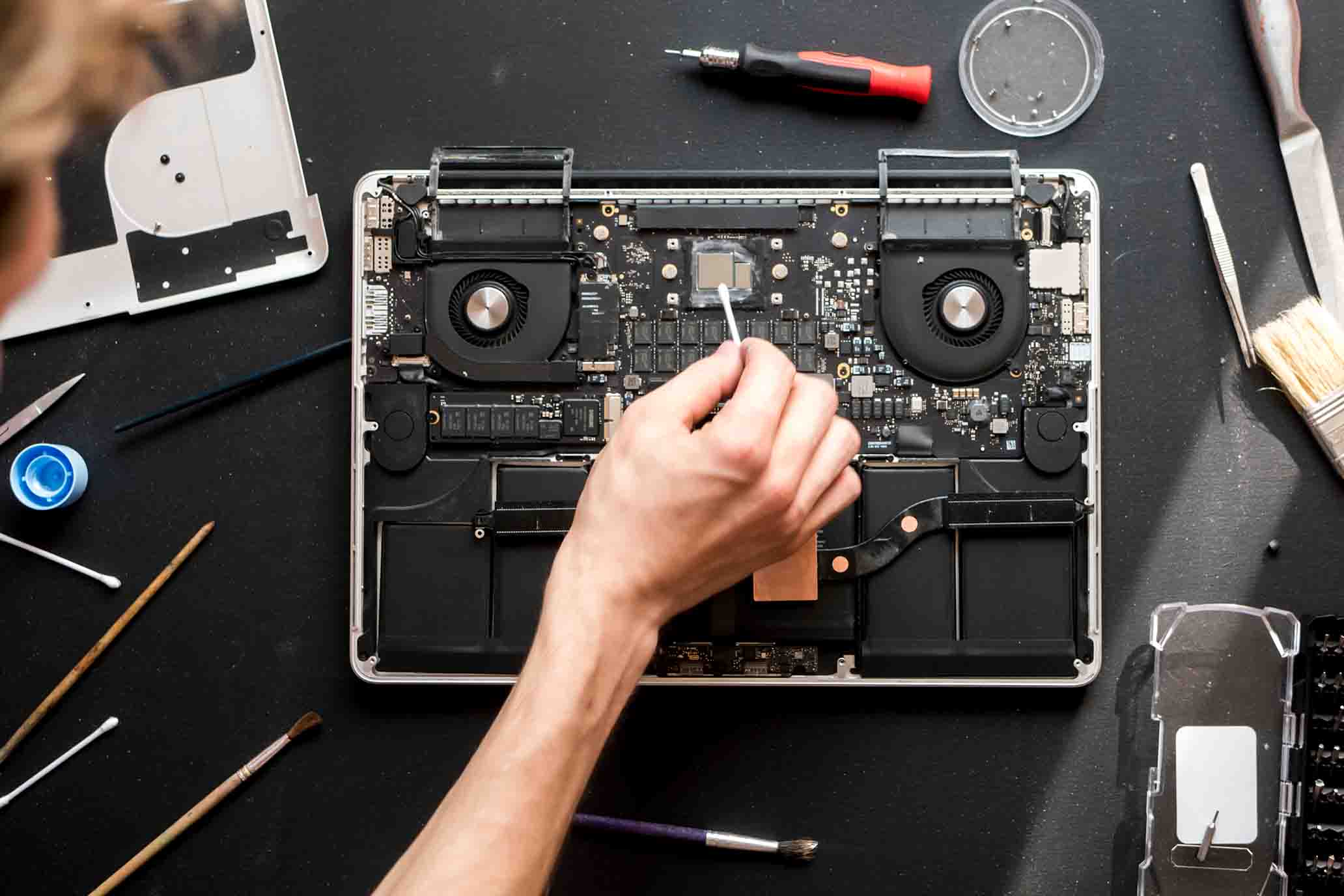

Choosing the right laptop repair service is crucial to ensure your device is restored efficiently and reliably without unnecessary costs or delays. To make an informed decision, focus on key factors such as technician expertise, transparent pricing, turnaround time, use of genuine parts, and customer reviews. These elements help you identify a trustworthy service that can handle your laptop’s issues professionally while protecting your data and investment. This article delves into these considerations, providing practical guidance to help you select a repair service that meets your needs and delivers lasting results.

Technician Expertise
Look for shops with certified professionals (e.g., CompTIA A+ or brand-specific certifications from Apple, Dell, or Lenovo). These qualifications ensure technicians can handle hardware and software issues across models. For specialized devices like gaming laptops or MacBooks, confirm experience with your model. Reputable shops are transparent about qualifications, especially for complex repairs like liquid damage restoration or data recovery. Avoid vague responses about training, as they may indicate inadequate skills.

Transparent Pricing
A trustworthy service provides clear, upfront cost estimates with a detailed breakdown of parts, labor, and additional fees. Beware of low quotes without specifics, as hidden charges may arise. Request a written quote and ask if repair costs approach the laptop’s value. For example, screen replacements might cost $100-$200, while motherboard repairs could exceed $300. Compare quotes, but prioritize quality over the cheapest option to avoid recurring issues.
Turnaround Time
Reliable services communicate realistic timelines and aim for quick, quality repairs. Simple fixes (e.g., battery replacement) may take a day, while complex repairs (e.g., chip soldering) could need a week. Ask about average turnaround times and expedited options. Avoid vague promises like “soon,” which suggest disorganization. Check for on-site or same-day repair options and progress updates for better communication.
Genuine Parts
Using authentic parts ensures compatibility and longevity. Ask if parts come from the manufacturer or authorized suppliers (e.g., Dell-certified parts for Dell laptops). Reputable shops offer warranties (90 days to a year) and disclose part origins. Avoid services using generic or undocumented refurbished parts, as these can compromise performance. Request part numbers or documentation to verify authenticity.
Customer Reviews
Check Google Reviews, Yelp, or X posts for feedback. Look for patterns—consistent praise or complaints reveal reliability. Note how shops handle negative reviews; professional responses show accountability. Be cautious of sparse or generic reviews, which may be manipulated. Request references or check testimonials on the shop’s website for a strong customer satisfaction record.

Look for free diagnostics, data backup/recovery, or post-repair support like helplines. These add value and enhance the repair experience. A clean, organized shop reflects professional practices.
Conclusion
Prioritize expertise, transparency, speed, quality parts, and customer feedback when choosing a repair service. Trust your instincts—clear communication and respect indicate reliability. A shop that meets these criteria ensures your laptop is repaired effectively, protecting your investment.






Leave a Reply